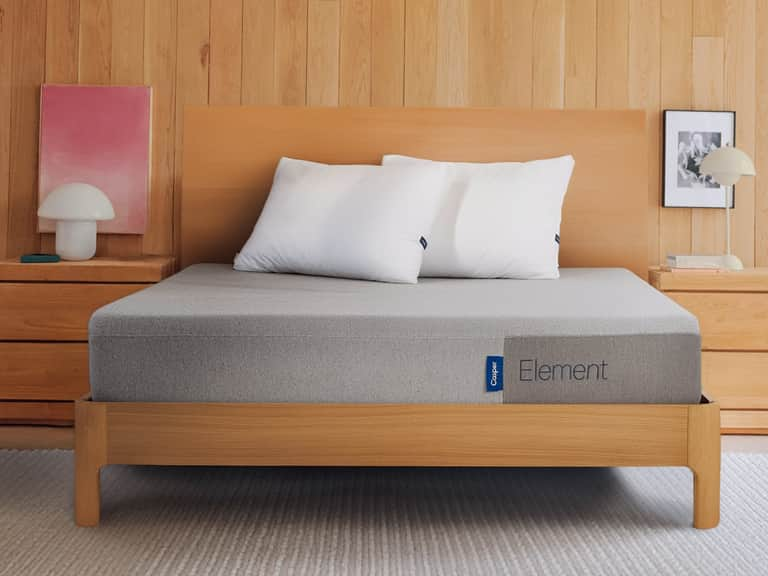
Foam mattresses use resilient layers of cushioning material to support the body and reduce pressure during sleep. Their all-foam construction can limit motion transfer, making them useful for people who share a bed. Mattress feel, firmness, and support vary by design, so considering sleep position and comfort preferences helps clarify the differences between models.
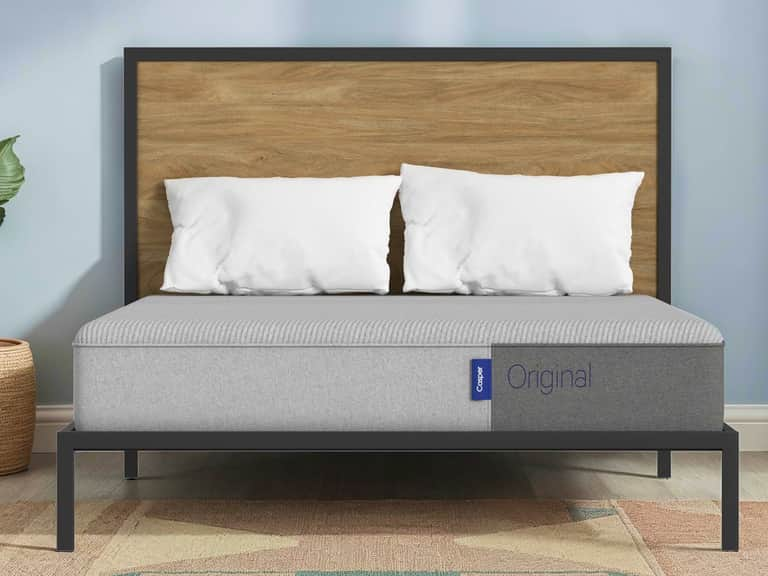
The Original Mattress is designed with multiple foam layers that combine cushioning with support. Its construction is intended to relieve pressure while helping maintain a comfortable sleeping surface, and motion-isolating foam can reduce the transfer of movement across the bed. These features may suit sleepers seeking balanced comfort for regular, everyday use.
The Element Mattress offers a straightforward foam design focused on cushioning and stable support. Its layered construction helps distribute body weight and absorb movement, while the mattress profile can suit a range of bedroom setups. Comparing its feel and support with the Original Mattress can help explain how foam density and layer arrangement affect comfort.
When evaluating foam mattresses, consider firmness, sleeping position, body support, temperature comfort, and compatibility with the bed foundation. Mattress dimensions and depth also matter when selecting fitted sheets and other bedding. Pillows influence head and neck alignment, so they are another useful part of assessing a complete sleep setup.
Foam mattresses are distinct from latex designs, which use natural or synthetic latex and may have a more buoyant response. People researching organic mattresses can compare material sourcing and certifications, since foam products are not automatically organic. Understanding these differences supports informed decisions about comfort, construction, and bedding needs.
 Mattresses