Understanding Box Springs vs. Bed Foundations: A Practical Guide to Sleep Foundations

A Vogue-worthy celebration of the architecture beneath our most intimate sanctuary: the bed. This guide unpacks the difference between box springs and foundations, explores how each option shapes sleep posture, height, and mattress performance, and offers chic, practical advice for choosing the right base for your room and mattress. Think of it as a couture fit for your sleep aesthetic—crafted with precision, clarity, and a touch of editorial intrigue.

Box Springs: The Classic Beat

Box springs have long been the default in American bedrooms, a marriage of a metal frame wrapped in fabric and a responsive coil system. They elevate the mattress slightly, contributing to a taller silhouette in the room and a perceived lightness that can echo a boutique hotel vibe. The interior coil network performs two roles at once: it supports the sleeper and introduces a degree of contouring that can soften the feel of a firmer mattress, lending a forgiving bounce that many find luxurious and familiar.

Key considerations when embracing a traditional box spring include:

  • Height and entryway ergonomics: Box springs add height, which can aid in getting in and out of bed, but may also impact wall art clearance and nightstand access.
  • Mattress compatibility: Innerspring and some hybrid mattresses often pair naturally with box springs, enabling a balanced blend of support and give.
  • Ventilation and durability: Coil systems can influence airflow beneath the mattress, though modern designs emphasize airflow through the fabric and frame construction.

Foundations: The Silent Powerhouse

Foundations—often a solid, flat surface of engineered wood or steel, sometimes with slatted configurations—offer a different kind of support. They present a stable, uniform base that minimizes motion transfer, emphasizes a firm sleep surface, and tends to heighten durability and edge stability. Foundations can come in solid panels with a uniform feel or in slatted designs that permit air to circulate, keeping the mattress cooler and extending its lifespan.

Consider these distinctions when evaluating foundations:

  • Firmness and compatibility: A solid foundation generally offers a firmer feel, ideal for sleepers who prefer consistent support across the torso and hips.
  • Height and aesthetics: Foundations tend to be slimmer than box springs, contributing to a more streamlined bed profile and a modern bedroom vibe.
  • Durability and maintenance: Solid foundations are robust and less prone to squeaks, while slatted bases may require occasional inspection for alignment and screw tightness.

Key Types to Consider: A Practical Taxonomy

To navigate sleep foundations with confidence, it helps to classify options into a practical taxonomy that aligns with mattress type, room layout, and personal comfort preferences. Here are the core categories you’ll encounter:

  • Traditional box springs: The classic coil-based foundation that couples with many innerspring and hybrid mattresses, offering a balanced response and a taller bed height.
  • Solid foundations: A rigid, low-profile option that provides a flat, uniform support surface, ideal for memory foam or latex mattresses, and for sleepers who crave a sleeker vertical profile.
  • Slatted bases: A breathable, modular alternative with adjustable slats or single-rail systems. Great for airflow, weight distribution, and customizing firmness through slat spacing and material.
  • Platform beds with integrated foundations: A contemporary solution that combines frame and support into a single structure, yielding a clean silhouette and stable performance.

Practical Guidelines: How to Choose the Right Foundation

Choosing the right foundation is about aligning your sleep needs with your room, mattress, and lifestyle. Here are practical strategies for making a well-informed decision, even in a Vogue-worthy, design-conscious space:

  • Assess your mattress: If you have an innerspring or hybrid mattress, a box spring can complement its resilience and contouring. For memory foam or latex, a solid or slatted foundation often yields a more stable, uniform feel.
  • Consider height and accessibility: If you’re tall, recovering from an injury, or simply want a certain bed height for aesthetics, factor in how much height you gain with any foundation and how that affects your dressers, lamps, and seating areas.
  • Account for ventilation: If temperature regulation is a concern, opt for a foundation with slatted design or a platform bed that promotes airflow, thereby aiding cooling and longevity of the mattress.
  • Evaluate motion isolation: For couples, foundations that maximize surface stability reduce motion transfer, helping both partners sleep more soundly.
  • Plan for longevity and warranty: A sturdy foundation can outlast the mattress itself and protect the investment you’ve made in a premium sleep environment.

A Vogue Moment: Height, Silhouette, and Sophistication

In the world of interiors, the bed is a sculptural centerpiece. The choice between a box spring and a foundation influences not only comfort but the choreography of your room’s lines. A beautifully curated bed height can echo a couture wardrobe—structured, refined, and timeless. When you select a base, you’re selecting a frame for your dreams, a stage upon which your nightly rituals unfold with grace.

For readers who crave a design-forward approach, consider combining a foundation with a platform or a sleek headboard to achieve a seamless horizon line. The foundation becomes less a utility and more a quiet luxury, a backstage ensemble that makes the main act—your mattress—shine with pristine poise.

Three Notable Figures Across Eras: A Brief Reflection

From the grand salons of Paris to the minimalist lofts of Manhattan, thinkers and designers have long contemplated the foundation upon which comfort rests. Here are three key individuals, spanning distinct time periods, who illuminate the evolution of sleep foundations and the philosophy of support.

1) Thomas Chippendale (18th century)

A master of form and function, Chippendale’s era celebrated furniture as sculptural architecture. While not about foundations in the modern sense, his attention to proportion and structure foreshadowed how the bed’s base should support the sleeping body with elegance and balance. The principle endures: a solid foundation under the mattress is the forgotten hero of sleep design.

2) Le Corbusier (20th century)

A pioneer of modern architecture, Le Corbusier championed clean lines, modular systems, and rational space planning. His approach to structure—emphasizing predictability, durability, and clarity—resonates with the use of foundations that create a stable, breathable base for restorative sleep. His philosophy translates into sleeping platforms that promise both order and comfort.

3) Zadie Smith (21st century, contemporary voice)

In contemporary discourse, the bed is a site of intimate self-expression and wellness storytelling. Smith’s narrative sensibility invites readers to consider how foundations support not just the body, but the mind—the sleep routine as a nightly ritual that anchors creativity, rest, and presence. The foundation, then, is a stage for modern living.

These figures, though from different centuries, share a throughline: the bed’s base is not merely hardware but a core contributor to posture, temperature regulation, and daily vitality. The foundation is the silent partner to dreams, deserving consideration as thoughtfully as the mattress above it.

Product Spotlight: The Clean Bedroom (Level 3) Adjustable Bed Base

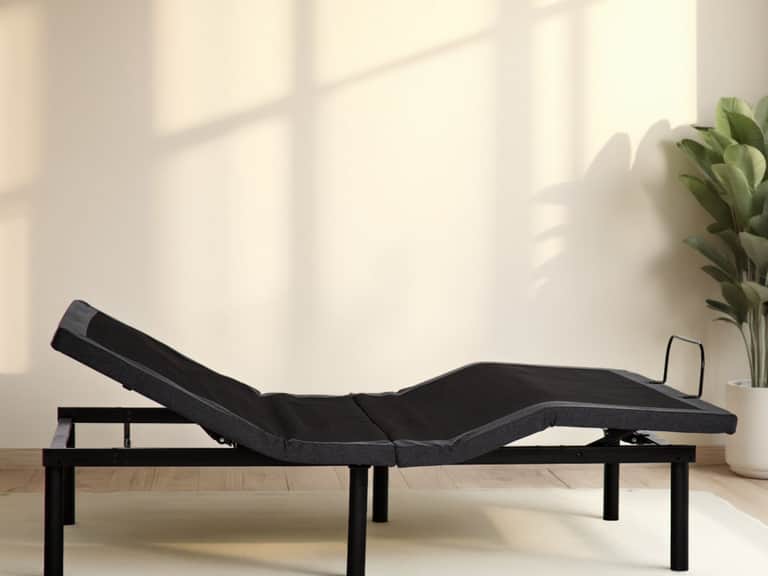
The Clean Bedroom Level 3 Adjustable Bed Base is an exemplar of modern sleep engineering and refined design. With independent head and foot lifts, a head tilt feature, and dual massage settings, it invites you to sculpt your comfort with surgical precision. Underbed LED lighting adds ambient glow, while dual USB ports keep devices charged as you unwind. Seven height options, from 2" to 13", ensure the bed sits perfectly within your room’s proportions, whether you’re dreaming in a compact city loft or a sunlit master suite. The wireless remote with presets makes post-work wind-down rituals effortless, and the foundation’s compatibility with platform and pedestal frames means it can integrate into a broad range of bed configurations.

Price: $1,399.00

Image gallery placeholder for The Clean Bedroom Level 3 Adjustable Bed Base
Main image: 4_Synergy.jpg

Note: The product imagery is indicative of the stagecraft of modern sleep design. As an editorial touch, the base’s silhouette harmonizes with a calm color palette and refined hardware, ensuring it remains the quiet yet compelling anchor of the bed ensemble.

Integrating Foundations into Your Sleep Narrative

Choosing the right bed foundation is not merely a technical decision; it is a lifestyle choice. Your foundation sets the stage for posture, airflow, and the sensory experience of sleep. The right base can elevate a mattress from comfortable to transcendent, pairing with your preferred sleeping position to minimize pressure, maximize spinal alignment, and promote restorative rest.

To end, imagine a sleep space where every element—mattress, foundation, linens, and headboard—reads like a well-curated wardrobe. Each piece complements the others, creating a cohesive aesthetic that feels effortless and aspirational. The foundation is the quiet luxury at the heart of that ensemble, supporting you with poise, resilience, and a touch of couture charm.

Meta, Keywords, and Reading Rhythm

This guide speaks to readers seeking practical, elegant guidance on sleep foundations. Keywords such as box spring, bed foundation, sleep foundation, mattress support, platform bed, innerspring support, and ergonomic sleep anchor the article in search clarity while preserving editorial fluency. The cultural conversation around foundations—height, silhouette, airflow, and durability—receives thoughtful treatment in a voice that blends Vogue’s elegance with accessible, informative content.

For those building a content roadmap, consider cornerstone articles such as:

  • What is a box spring? How it compares to a foundation
  • Different bed foundations explained: solid, slatted, and platform options
  • How bed foundations affect sleep posture and mattress longevity

Images and product visuals are included for selected items to illustrate the concepts discussed. Examples and descriptions reflect current product lines with a focus on design, function, and ergonomics.

Related Products

The Clean Bedroom (Level 3) Adjustable Bed Base

The Clean Bedroom · No. CUSH

The Clean Bedroom (Level 3) Adjustable Bed Base

Sleep smarter with fully adjustable comfort: tailor head/foot, enjoy dual massagers, soft underbed lighting, USB charging, wireless presets, and a silent remote—all in a sleek, versatile base that fits most beds and adapts to your space.
Vispring Masterpiece Superb

Vispring · No. COVSMMSBVP

Vispring Masterpiece Superb

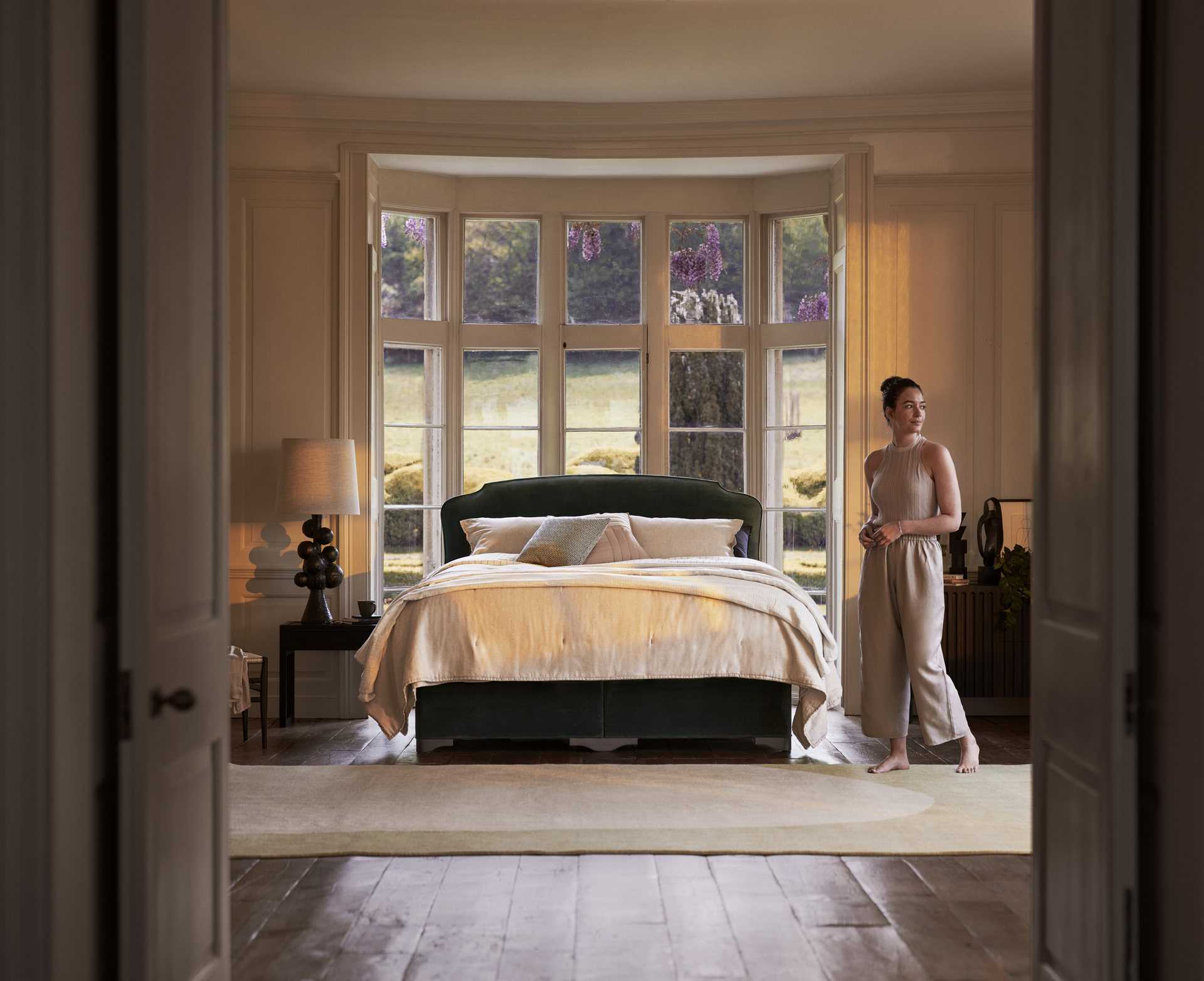
Sleep cooler and cradled in plush softness, with tailored support every inch thanks to 3,996 springs, breathable cashmere cover, and temperature-balancing wool blends for all-night comfort and edge-to-edge stability.

Theme